
The Future of Direct Selling in India: Building a Growing Industry Beyond 2026

India’s direct selling industry is entering a pivotal growth phase. With a projected market size of ₹64,500 crore and an estimated 18 million sellers by 2025, the sector is rapidly becoming a mainstream channel for product distribution and self-employment. Backed by strong demand in health, wellness, and personal care, along with favorable government policies and digital transformation, direct selling is evolving into a scalable, regulated, and tech-enabled ecosystem.
This article explores how direct selling in India is set to expand beyond 2026—highlighting the trends, challenges, regulatory shifts, and technological innovations shaping its future. Whether you're a business leader, distributor, or policymaker, this guide offers a clear view of what’s driving the next chapter of growth in India’s direct selling space.
Direct selling is a model where products are sold directly to consumers without retail stores. There are two types of direct selling; single-level marketing and multi-level marketing. Independent sellers promote and deliver products through personal networks, home demos, or online platforms. Popular in wellness and beauty sectors, it allows individuals to earn through sales and team-building, often using multi-level marketing. It blends personal connections with flexible income opportunities.
While both aim to reach consumers without traditional retail channels, direct selling and direct marketing are distinct in their approach:

Definition: Selling products directly to consumers through personal interactions.
Channel:Person-to-person (face-to-face, home demos, online chats).
Involves: Independent dealers or distributors.
Example: A Vestige distributor selling wellness products to friends or neighbors.
Definition: Promoting products directly to consumers using communication tools.
Channel: Email, SMS, social media ads, mailers, etc.
Involves: Companies marketing straight to consumers, often with a call to action.
Example: An email campaign from Amway promoting new product offers.
Direct selling focuses on personal selling and relationship building, while direct marketing is about mass outreach and promotion through media. Both can work together, direct marketing often supports direct sellers by generating leads or brand awareness.
Driven by changing lifestyles, digital innovation, and policy support, the direct selling industry is poised for robust growth beyond 2026. Here's a closer look at the trends fueling this momentum:
Health supplements, personal care, and home essentials continue to lead the market. With rising health awareness, eco-consciousness, and preference for wellness-focused living, these categories are witnessing strong year-on-year growth across urban and rural segments.
Clearer regulations such as the Consumer Protection (Direct Selling) Rules, 2021, and grievance redressal systems have boosted industry credibility. This structured approach is attracting new entrants while protecting both consumers and sellers.
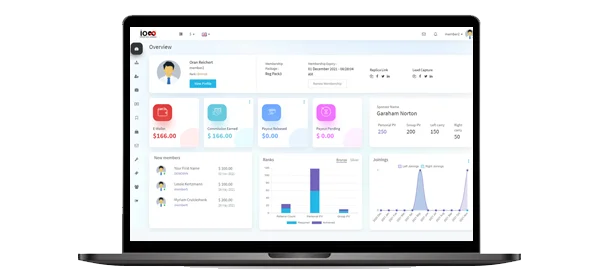
The technology in MLM grows from automated commission calculators to AI-powered MLM softwares and mobile-first platforms are reshaping operations. Virtual onboarding, app-based sales dashboards, and digital training modules are now standard across leading companies.
Personalized nutrition, skincare, and lifestyle products are in high demand. Direct selling brands are leveraging customer data and AI tools to offer custom -made solutions, improving both customer satisfaction and retention.
India’s younger workforce is exploring direct selling for its entrepreneurial freedom, flexible schedules, and leadership opportunities. With low entry barriers, it serves as a practical alternative to traditional 9-to-5 jobs.
Social media platforms are turning into full-scale selling channels. Influencer marketing, live product demos, and WhatsApp-based selling allow distributors to reach wider audiences with minimal investment.
National campaigns like Atmanirbhar Bharat and Vocal for Local are encouraging people to choose Indian-made products. This shift is benefiting direct selling companies offering domestically manufactured goods with strong value propositions.
The demand for work-life balance and non-traditional careers has grown post-pandemic. Direct selling offers freedom to work from home, earn part-time income, or build a scalable business; making it ideal for students, homemakers, and professionals alike.
To improve distributor performance and loyalty, companies are investing in online learning platforms, certification programs, and ongoing mentorship. This focus on development ensures a more confident and capable salesforce.
As direct selling gains ground in India, the real test lies not in starting strong, but in staying trusted and relevant amid evolving expectations, here are some of the common challenges you have to battle against;

Consumer confidence depends on ethical practices, product transparency, and honest communication.

Companies must stay agile and responsive to changing consumer behaviors, technologies, and competition.

Misunderstandings around MLM models and past scams make it essential to promote credibility and professionalism.

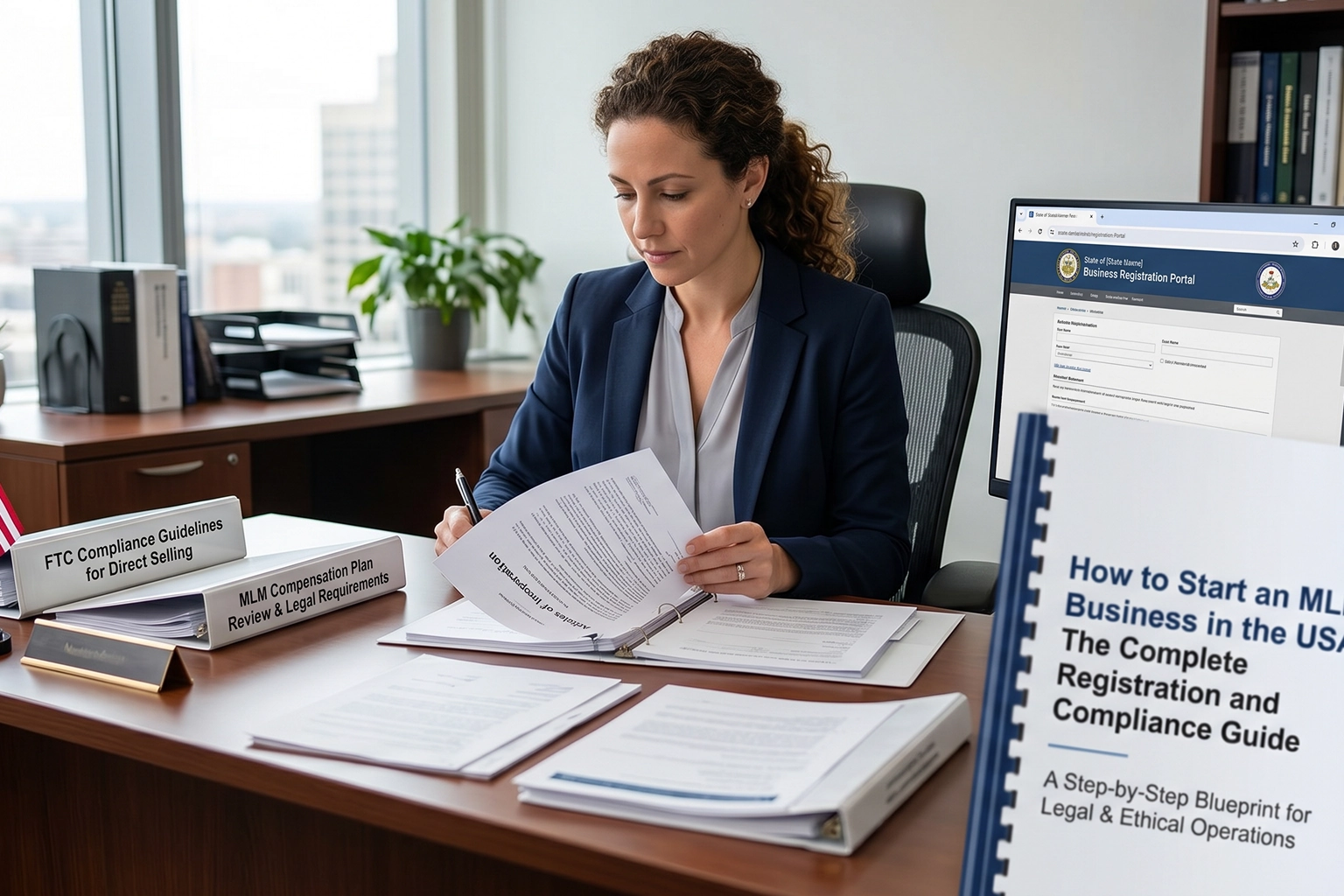
Adhering to evolving state and central regulations is necessary to operate smoothly and avoid legal issues.

As more players enter the space, standing out requires unique value propositions and consistent service quality.

Keeping distributors motivated and engaged over the long term remains a challenge for many companies.

Ensuring timely product delivery and supply chain efficiency, especially in remote areas, can be a hurdle.
Direct selling is thriving worldwide, with established markets and emerging regions fueling its growth. In North America, giants like Amway and Avon are going digital, while Europe focuses on quality and ethics with brands like Oriflame and Vorwerk. Japan leads in wellness and cosmetics, powered by science-driven brands like Nu Skin and Shaklee.
In emerging regions, Asia Pacific especially India and China, is booming with tech-savvy consumers and local innovation. Latin America shows strong entrepreneurial energy, with Avon and Omnilife dominating beauty and wellness. Africa holds huge potential, with companies adapting creatively to local needs.
Global leaders like Herbalife, Tupperware, Amway, and Avon continue to shape the industry with evolving strategies, digital tools, and community-driven models, making direct selling a powerful global force.
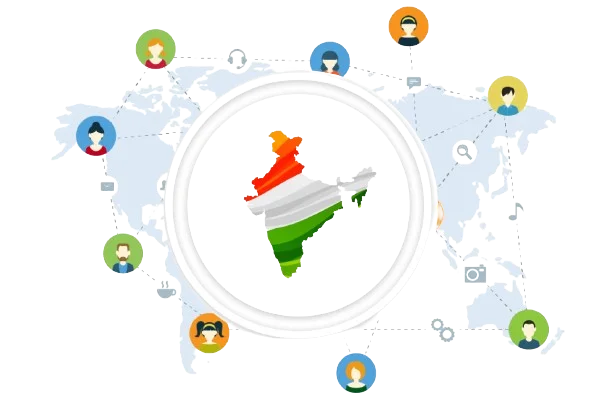
According to the report of Direct selling Today, direct selling in India is a rapidly growing sector fueled by a youthful population, increasing internet penetration, and rising demand for wellness and FMCG products. With initiatives like Vocal for Local and Aatmanirbhar Bharat, it offers low-investment, high-return opportunities, fostering entrepreneurship and financial independence across the country.
Direct selling is becoming a powerful career path for India’s youth, with over 60% of sellers under 35, according to WFDSA. It’s helping young entrepreneurs build skills in communication, leadership, and financial management while creating income opportunities.
By 2026, India’s direct selling industry is expected to reach 18 million sellers and a market size of $173.3 billion, backed by 100% FDI support from the government. Direct selling companies like QNET India are leading the way, offering platforms that turn ambition into success for the next generation.
As the direct selling industry in India matures, innovation and digital transformation are driving long-term growth. These key features are strengthening the ecosystem and making it more accessible, transparent, and future-ready.

The introduction of the Consumer Protection (Direct Selling) Rules, 2021 has brought much-needed legal clarity, helping build trust and confidence among consumers and distributors alike.

Companies are embracing mobile apps, cloud tools, and digital platforms to manage operations, sales, and distributor performance more effectively.

Direct selling software now offers automated payout systems, ensuring accurate and timely commission distribution without manual errors or delays.

AI technologies and CRM MLM softwares are enabling personalized product suggestions, offers, and follow-ups, enhancing customer satisfaction and retention.

E-learning features like; digital onboarding and training systems help new distributors get up to speed quickly with minimal friction, regardless of their background or location.

Real-time dashboards provide complete visibility into earnings, targets, and team performance, enabling better planning and accountability.

Support for multiple languages allows companies to engage distributors and customers in Tier 2 and Tier 3 markets more effectively.

The direct selling model remains low-investment, making it ideal for aspiring entrepreneurs while offering scalability through digital tools.

Top companies foster loyalty and engagement through mentorship, recognition programs, and peer networks that help distributors stay motivated.

The use of WhatsApp, Instagram, and other platforms for promotions and direct outreach is redefining how sellers connect with their audiences.

India’s direct selling industry is evolving rapidly, powered by impactful government initiatives that support growth, innovation, and empowerment. Here are five key programs driving the future of direct selling in India beyond 2026:

This initiative has boosted domestic manufacturing and opened doors for top direct selling companies to promote locally made products, supporting both national growth and self-reliance.

Targeted programs have encouraged women to become entrepreneurs, leading to a sharp rise in female participation and financial independence through direct selling.

A thriving start-up ecosystem has brought fresh ideas and business models into direct selling, helping brands connect with consumers directly and innovate beyond traditional retail.

With widespread digital adoption, companies now use e-commerce, mobile apps, and social media to reach customers, simplify operations, and offer better experiences.

By offering training and upskilling opportunities, this initiative has built a skilled workforce ready to thrive in India’s fast-growing direct selling landscape.
A report by KPMG and FICCI forecasts that India’s direct selling industry could reach a value of Rs. 645 billion by 2025, showing promising growth in the coming years.
Here are key opportunities for the sector’s bright future:
The role of Direct Selling Agents (DSAs) in India is undergoing a significant shift, driven by digital adoption and regulatory changes.
With rising demand for personal, home, and business loans; especially in Tier 2 and 3 cities, DSAs will remain key to customer acquisition for banks and NBFCs.
Traditional DSA operations are being replaced by tech-enabled processes, including mobile CRMs, e-KYC, digital documentation, and real-time commission management.
Stricter RBI guidelines are professionalizing the industry. Future DSAs may need certification, disclosures, and better data practices to maintain trust.
Online platforms let DSAs access multiple lenders, automate workflows, and expand reach without needing physical infrastructure.
Skilled DSAs with digital know-how and strong client networks can now earn more, scale faster, and build team-based models.
The future for DSAs is promising for those who adapt to tech, follow regulations, and focus on building trust.
To become a top direct selling company in India, businesses must blend regulatory compliance with ethical, customer-centric practices. The following guidelines outline key principles for long-term success and credibility in the industry.
The future of direct selling in India looks more promising than ever. As more companies integrate MLM software solutions, embrace digital transformation, and adopt customer-first strategies, the industry is poised for sustainable growth. With transparent practices and ethical business models, direct selling becomes more than just a sales channel; it becomes a powerful vehicle for entrepreneurship and financial freedom.
For aspiring entrepreneurs, it's not just about earning; it's about creating impact. From work-from-home opportunities to flexible career paths, network marketing continues to empower individuals across diverse backgrounds.
With the right tools, such as automated commission calculators, mobile-ready platforms, and compliance with India's direct selling guidelines, companies can scale efficiently and responsibly. The journey ahead calls for innovation, accountability, and community-driven growth.
In India, direct selling is legally permitted. All direct selling businesses are regulated under the Prize Chits and Money Circulation Schemes (Banning) Act, which is overseen by the Department of Financial Services.
Product Specialist & Research Head

Are you on the lookout for a cost-effective software solution with advanced features for your MLM business? Infinite MLM software might just be the thing for you.
Connect with Us